Why does inventory sitting in a third-party fulfillment warehouse create nexus in that state?
Physical presence never went away when economic nexus arrived. Stock you own in someone else's building is one of the most common, and most overlooked, ways to trigger it.
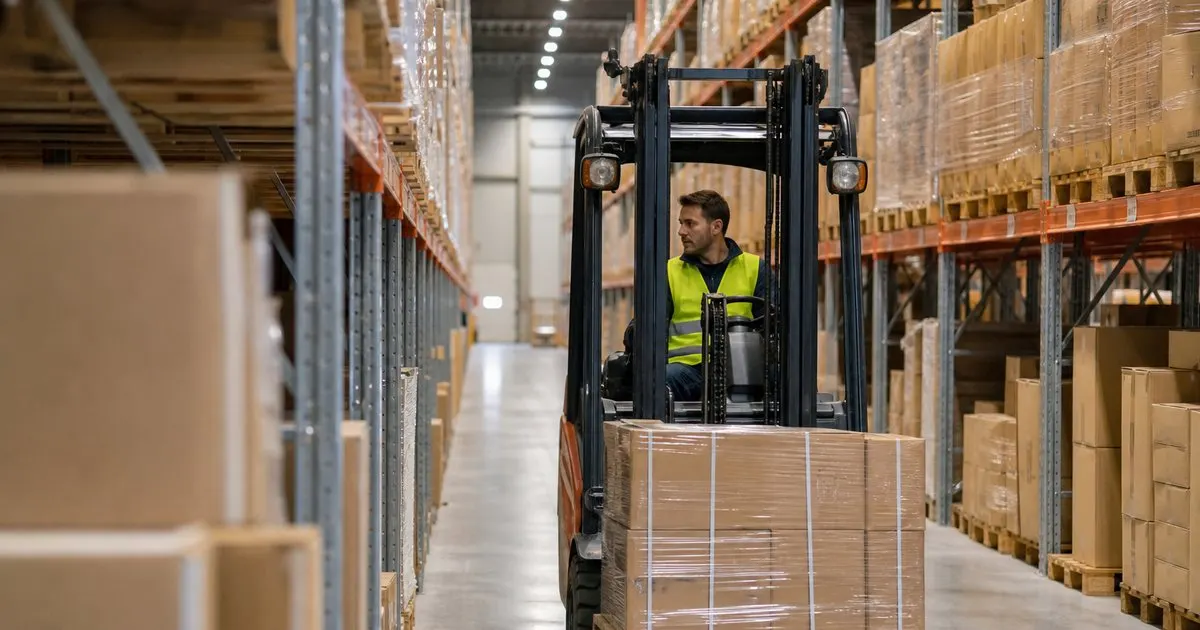
Physical presence is still the older, stronger rule
Before economic nexus existed, the only test was physical presence: property, people, or a place of business inside the state. That test did not disappear when the Supreme Court allowed states to impose economic thresholds in 2018. Economic nexus added a second door into a state's tax system; it did not close the first. Owning inventory inside a state is owning property inside a state, and most states treat that as physical presence regardless of how much you sell there. Related: Economic Nexus: A State by State Reality
The consequence is that physical nexus carries no threshold at all. One pallet in a warehouse can create the obligation to register and collect from the first sale into that state. Sellers who track only dollar thresholds can miss it completely, and it is easiest to miss when the warehouse network was chosen by a fulfillment provider rather than by the seller. You may never have decided to have property in that state; the provider decided for you.
Keep reading: Economic Nexus: A State by State Reality, How to Know When You Are Approaching Nexus, Registering in a New State, Step by Step. See how ShopTaxie helps you sales tax nexus tracking and filing reminders.
How third-party fulfillment spreads your inventory
When you ship stock into a fulfillment network, the provider often redistributes it between facilities to position goods closer to likely buyers. You can send inventory to a single receiving location and have it end up in several states within weeks. The provider's inventory location reports are the only reliable record of where your goods actually sat and for how long, and they are typically the same records a state will request.
Pull those reports on a schedule and keep them. States have used inventory location data to assert nexus retroactively, and a seller generally cannot argue with the provider's own records. Knowing which months your stock was in which state is the foundation of every later decision, whether that is registering, negotiating a voluntary disclosure, or defending an assessment. Without the history, you are guessing about your own exposure. Related: Multi State Selling Without the Panic
What states actually do with it
The general position across states is that owned inventory creates nexus. There have been disputes, including litigation where sellers argued they had no control over where a provider placed their goods, and outcomes have varied by state and by the facts. Planning around a possible exception is risky, though. The safer assumption is that inventory creates nexus, and any exception is something you argue later with a professional if the stakes justify it.
Timing works differently from economic nexus, too. Economic nexus usually begins the day after you cross the threshold or from a date the state defines. Physical nexus from inventory begins when the goods arrive. Registering late means back tax on sales into that state from the arrival date, plus penalties and interest, unless a voluntary disclosure program limits the lookback. The earlier arrival date is what makes inventory nexus expensive to discover late. Related: How to Know When You Are Approaching Nexus
A practical checklist for inventory-driven nexus
Start with a map. List every facility currently holding your stock using provider reports, and record the first arrival date in each state. Compare that list against your registration list. Wherever you have stock but no registration, estimate exposure from sales into that state since the arrival date. That estimate tells you whether this is a quick registration or a conversation with an advisor. Related: Registering in a New State, Step by Step
Then decide state by state: register going forward, and consider voluntary disclosure for the past period where exposure is material. Set a recurring check that compares inventory locations to registrations, monthly if your provider moves stock often. Finally, ask your provider whether you can restrict placement to certain regions. Some allow it for a fee, and that fee is sometimes cheaper than registering and filing in a state where you have few customers.
- Physical presence still creates nexus with no threshold, and owned inventory in a state is physical presence in most states.
- Fulfillment providers move stock between states without asking, so their location reports are your only reliable record.
- Inventory nexus starts on the arrival date, which is why discovering it late is costly.
- Compare inventory locations to registrations on a schedule and ask whether placement can be restricted.

Julien Jimenez
Julien Jimenez is an independent software builder based in Paris. He designs, ships, and operates focused SaaS products for small businesses and independent professionals. Read the full author page.
Know where you owe before it is a problem
Sales tax nexus tracking and filing reminders. ShopTaxie is built to help you put this into practice.
Check my nexusMore from the ShopTaxie blog

Economic Nexus: A State by State Reality

How to Know When You Are Approaching Nexus

Registering in a New State, Step by Step
Get the ShopTaxie playbook
Practical guides on sales tax nexus, straight to your inbox as we publish them. No spam, unsubscribe any time.